
Category: Filmmaking Business
Master the business of indie filmmaking! Learn how to fund, produce, market, and distribute your films with expert strategies, case studies, and insider tips.
-

The “Slow Burn” Film Release Strategy: Why Some Indie Films Keep Making Money for Years
Forget the big splash. Some indie films quietly build revenue over years. This “slow burn” strategy leverages timed rollout, audience word-of-mouth, and long-tail platforms to keep money rolling in long after the opening weekend. Let’s unpack how it works and why it’s a game-changer for filmmakers. Understanding the Long Tail of Film Revenue I’d like…
-

How to Write a Film Press Kit That Really Gets You Media Coverage
A strong press kit, also known as an EPK (Electronic Press Kit), more strategic than a folder of random assets. It’s a curated tool that tells your film’s story before a journalist, programmer, or buyer even watches a single frame. It should communicate professionalism, elevate your pitch, and make media coverage effortless. Let’s walk through…
-

What Filmmakers Can Learn from Failed Indie Film Distributors
When indie film distributors fail, the crisis goes beyond the business and extends to a tough lesson for impacted filmmakers. From Distribber’s bankruptcy to hybrid play experiments, there’s wisdom you can mine. Let’s break down what went wrong, why it matters, and how you can sidestep their mistakes. The Distribber Cautionary Tale Distribber revolutionized indie…
-

Guerrilla Filmmaking and When to Ask for Permission vs. Forgiveness
Guerrilla filmmaking (the “run-and-gun” approach) thrives on improvisation, resourcefulness, and often bending the rules to capture raw, authentic moments. But it walks a fine line between creative freedom and legal trouble. When should you skip permits and hope for forgiveness? When does it make more sense to play by the book? Let’s explore how indie…
-

How Indie Films Can Be a Smart Tax Write-Off for High‑Net‑Worth Individuals
For high‑net‑worth individuals, investing in indie films can offer substantial tax benefits. Between federal deductions, state credits, and debt‑interest write‑offs, filmmakers receive more than just back‑end promises: they can deliver real, immediate financial relief. Section 181 and Bonus Depreciation At the heart of this is Section 181 of the U.S. tax code. It allows investors in…
-

Investing in ‘So Bad It’s Good’ Films: Why Some Awful Movies Make Millions
You know them…those gloriously awful films that gather midnight screenings, Instagram memes, and cult followings. Movies like The Room, Troll 2, or Birdemic flopped on release but went on to earn their creators serious money. What’s behind this phenomenon? And why are savvy investors taking notice? Why Awful Movies Can Earn Big Cult appeal generates long-term…
-

The “Three-Film Rule”: Why Your First Two Films Might Not Make You Money
There’s a hard-earned truth among indie filmmakers: your first two films often won’t turn a profit. While the third might be your breakthrough, those early efforts serve a different purpose: training, establishing your voice, and building your reputation. This “third-film sweet spot” exists for a reason, and we’re looking at how to manage your expectations…
-

How the “Faith‑Based” Film Market Became a Billion‑Dollar Industry
Once niche and underfunded, faith-based films have surged into a billion-dollar powerhouse. Through savvy distribution, audience loyalty, and strategic crowdfunding, this genre has transformed into a mainstream media force with substantial box office returns and deep investor engagement. Here’s how it happened, and why it matters for indie moviemakers like you. A Billion-Dollar Box Office…
-

Film Finance on the Blockchain: How Ecosystems Are Shifting
Blockchain isn’t just for cryptocurrency. In indie film, it’s quietly revolutionizing financing, rights management, distribution, and royalties. From smart contracts and NFTs to peer-to-peer streaming, filmmakers are reclaiming creative control. That has investors paying attention. 1. Tokenized Financing & Decentralized Funding Filmmakers can now raise capital through Initial NFT Offerings (INOs), fractionalized funding, and crypto-backed…
-

Ditch Netflix: Why Indie Filmmakers Are Embracing Direct-to-Fan Sales
For years, Netflix was the golden ticket: land a deal and you reach millions. But many indie filmmakers are walking away, choosing to sell directly to fans on platforms like Vimeo On Demand, Kickstarter, or niche streaming apps. Direct-to-fan strategies are gaining ground. 1. Creative Control and Ownership When you license your film to Netflix,…
-

Why the “Middle-Class Filmmaker” Is the Future of Indie Film
As indie filmmaking evolves, a familiar archetype is reshaping the narrative: the middle-class filmmaker. They’re creative, scrappy, tech-savvy, and operating without deep-pocketed backers. Far from starving artists or boardroom blockbusters, this emerging model is democratizing cinema, putting compelling stories and diverse voices center stage. The Technological Lift for Everyday Creators Advances in affordable digital cameras,…
-

How to Build a Fanbase Before You Even Make a Film
Why wait until your film is done to build an audience? Smart indie filmmakers know that the people who will eventually stream, rent, or pay for your movie need to discover you and your story long before it hits the editing suite. Pre-production is prime real estate for fan-building and adds to the value of…
-

From Data to Launchpad: AI Is Rewriting How Indie Films Find Viewers
Artificial intelligence is reshaping scriptwriting or visuals while quietly revolutionizing how indie films reach audiences. From automated marketing and trailer A/B testing to predictive release strategies and creator-directed distribution, AI is making film exposure smarter, more efficient, and more accessible. Smarter Targeting Through Audience Data AI tools now analyze demographic and streaming behavior patterns to…
-

Why Horror Films with Terrible Acting Keep Making Money
You know the ones: cringe-worthy delivery, wooden performances. But still, theaters and streamers can’t get enough. It turns out that badly acted horror works differently. It taps into something primal, profitable, and strangely enduring. 1. Low Budgets Mean High Return Potential Horror is the ultimate financial sweet spot in cinema. With budgets often under $1…
-

Dakota Johnson Is Taking the Director’s Chair, and She’s Done with Toxic Sets
Dakota Johnson is stepping behind the camera for her directorial feature debut, and she’s making it clear: the vibes have to be immaculate, or she’s not showing up. In a candid conversation with Variety at the Karlovy Vary International Film Festival (where she’s receiving the festival’s President’s Award) Johnson opened up about her long-gestating transition…
-
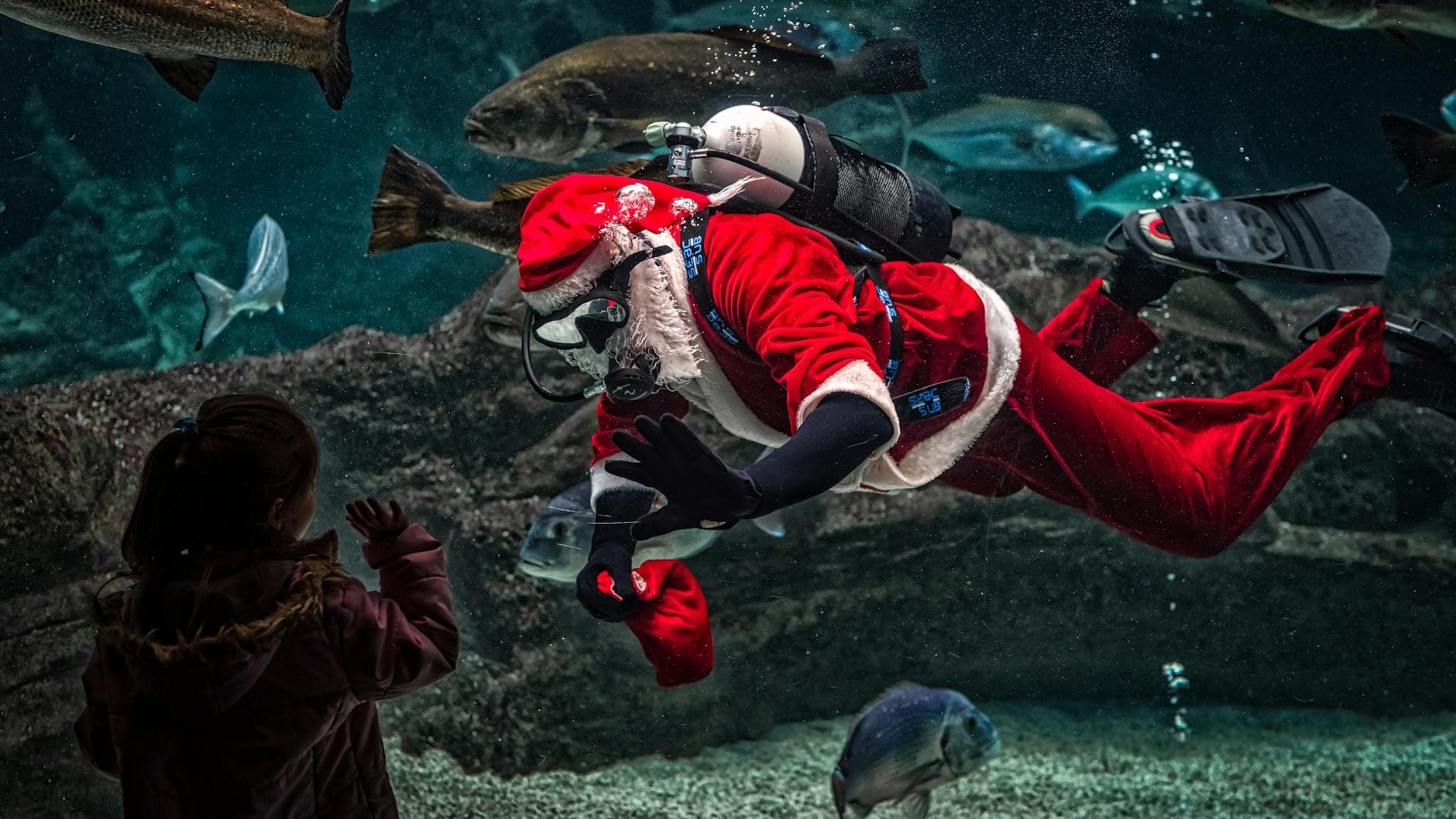
Why Obscure Holiday-Themed Indie Films Are a Goldmine
While mainstream holiday blockbusters dominate streamers and theaters, indie filmmakers are quietly turning niche festive films into reliable revenue machines. These small-budget gems, think Thanksgiving dramas, queer Christmas comedies, or holiday-based horror, often fly under the radar but perform exceptionally well in the long term, tapping into seasonal demand and algorithmic visibility. Seasonal Demand Fuels…
-

How to Leverage a Podcast to Promote an Indie Film
Movies are a visual medium, but they’re audio stories, too. Podcasts offer indie filmmakers a way to deepen engagement, tell behind-the-scenes tales, and reach voracious film fans. But success depends on the right approach: thoughtful guest spots, smart content strategy, and podcast-first repurposing. Find Your Niche and Pitch Like a Pro Start by identifying podcasts…
-
Why Email Lists Are the Most Underrated Marketing Tool for Filmmakers
Awash with social media noise, the world may make email might feel old school, but for filmmakers, a direct, engaged inbox means real power. Forget shotgun promo bursts; email lets you speak privately to fans who chose to listen. Whether you’re fund-raising, launching a trailer, or planning a premiere, that permission-driven connection is gold. The…
-

Sustainable Distribution in a When the Streaming Bubble Pops
Streaming deals were once seen as the ultimate win, global distribution, upfront revenue, and prestige. But the landscape is shifting. With oversaturation, shrinking payouts, and hidden costs, indie filmmakers are realizing that streaming licenses alone won’t sustain a project, or a career. Streaming Doesn’t Mean Visibility Despite the sheer volume of content being licensed to…
-

Film vs. Music Streaming — Exclusivity, Payouts, and Future Convergence
Streaming transformed both the film and music industries, but the two have evolved very differently. Both film and music streamers offer vast libraries on demand and use subscription models (often with ad-supported tiers), delivering entertainment across devices. However, a closer look reveals divergent strategies: film/TV platforms fiercely guard exclusive content to stand out, while music…