Local SEO can feel intimidating when you first hear the term. It sounds technical. It sounds like something agencies sell in glossy PDFs. In reality, local SEO for beginners is less about complexity and more about consistency. It’s about sending clear signals to search engines so they understand who you are, what you do, and where you do it.
If you operate a med spa, law firm, gym, restaurant, dental office, home service business, or boutique retail shop, local SEO determines whether you show up when someone searches for your service in your area. The good news is that most of the foundational tools you need are free.
What follows is a practical guide built for operators pulling double duty as SEOs and marketers.
Consider Garvescope for professional services focused on your growth.
What Local SEO for Beginners Means
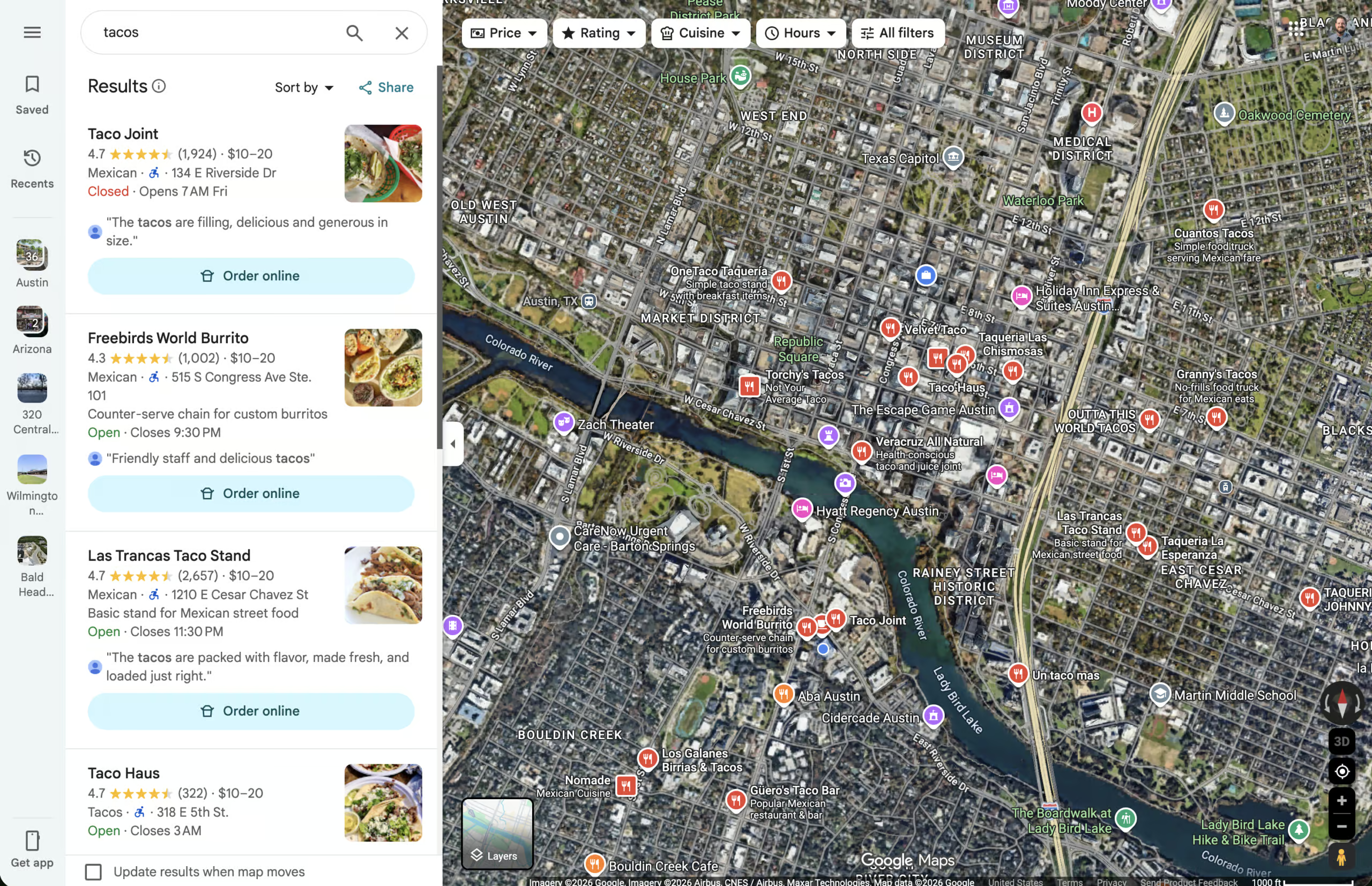
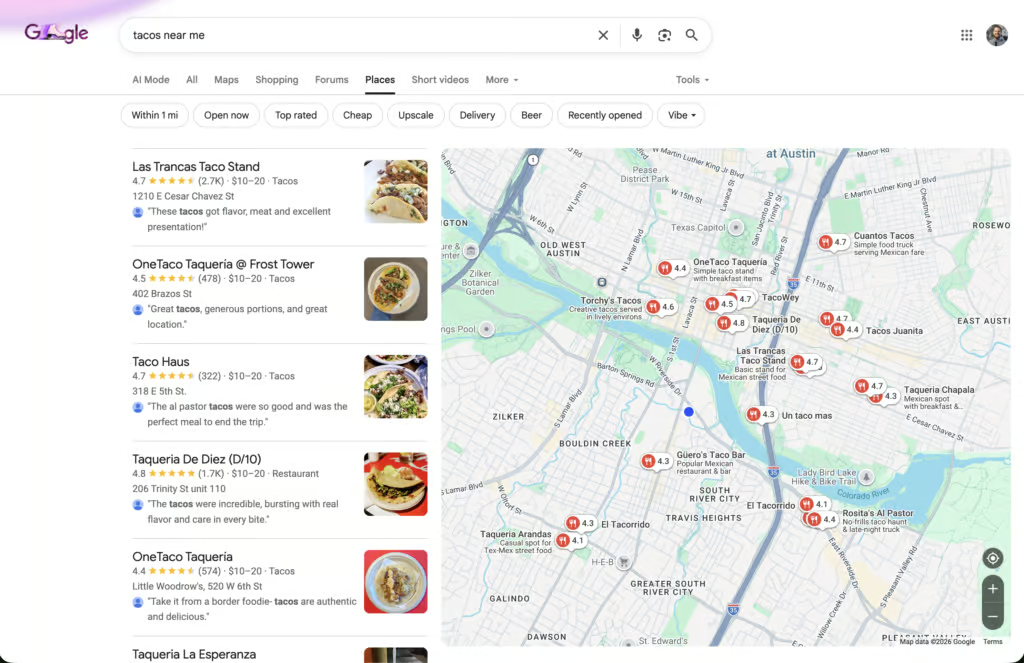
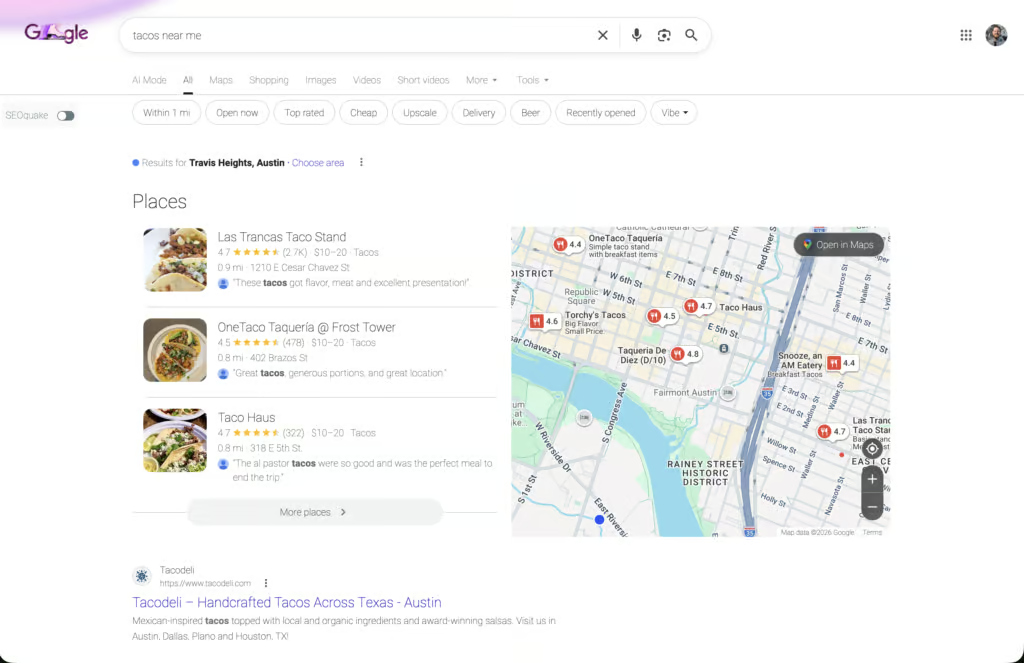
Local SEO is the process of optimizing your online presence so that your business appears in local search results. That includes the map listings at the top of Google results, the three-business “local pack,” and organic results tied to geographic queries.
When someone searches for “roof repair in Denver” or “best Pilates studio near me,” search engines prioritize relevance, proximity, and trust. Your job is to make those signals obvious. For beginners, that means focusing less on hacks and more on fundamentals that compound over time.
Your Google Business Profile Is the Foundation
If you only invest energy into one thing, make it your Google Business Profile. This free tool directly powers how your business appears in Google Maps and in local search results.
For local SEO for beginners, the most common mistake is leaving this profile partially completed. Every field you leave blank is a missed signal. Categories, services, business description, operating hours, and photos all contribute to how Google interprets your relevance.
Photos deserve special attention. Real images of your space, team, and services increase engagement and credibility. Posting updates through the profile also signals activity and helps keep your listing fresh. The goal is to make your profile feel alive and trustworthy.
Measurement Comes Before Optimization
Local SEO for beginners often fails because business owners start changing things without understanding what is already happening. Before optimizing, you need visibility.
Google Search Console shows you which search queries generate impressions and clicks. Google Analytics helps you understand what visitors do once they land on your site. Together, these free tools give you a baseline.
For keyword discovery, Ahrefs offers free tools that help surface local variations of your services. Screaming Frog’s free version can crawl your site and highlight broken links, missing metadata, and structural issues. None of these require a paid subscription to get meaningful value.
The mindset shift here is simple: stop guessing. Start observing.
Your Website Needs Service-Specific Pages
One of the biggest misunderstandings in local SEO for beginners is the belief that a homepage can rank for everything. Search engines prefer specificity.
If you offer multiple services, each core offering should have its own dedicated page. A med spa that provides Botox, laser treatments, and facials should not rely on one generic services page. Each service deserves its own space, written clearly, tied to your city, and structured around real search intent.
This approach helps search engines match your page to highly specific queries. It also improves user experience. When someone searches for a specific service, they should land directly on that page rather than hunting for it inside your site.
Reviews As Ranking Signals and Social Proof
Reviews influence both perception and placement. For local SEO for beginners, this is one of the most powerful and underutilized levers.
Search engines interpret review volume, recency, and engagement as trust signals. Encouraging satisfied customers to leave feedback strengthens those signals. Responding to reviews reinforces activity and relevance, especially when your responses naturally reference your service and location.
Tools like BrightLocal offer limited free insights into citation and reputation tracking. Even without paid tools, building a simple system for consistently requesting reviews can meaningfully improve local performance over time.
Consistency Across the Web Matters
Your name, address, and phone number must match everywhere they appear online. This consistency, often referred to as NAP consistency, helps search engines verify that your business is legitimate.
Inconsistent listings across directories like Yelp, Bing Places, Apple Maps, and social media profiles can dilute trust. For local SEO for beginners, this step is often overlooked because it feels administrative. It’s not. It’s strategic.
Think of it as identity verification for your business.
Locally Relevant Content Builds Authority
Local SEO can go much beyond listings and service pages. Content still plays a role, but it must be locally grounded.
Instead of publishing generic blog posts, focus on topics that intersect your service and your geography. That might mean discussing pricing expectations in your city, preparation guides tailored to local conditions, or answering common questions specific to your area.
Search engines increasingly reward businesses that demonstrate topical depth within a defined region. Over time, this content builds authority and strengthens your overall local presence.
Technical Health Still Counts
Even in local SEO for beginners, technical basics matter. Slow mobile load times, broken schema markup, and structural errors can quietly undermine your visibility.
PageSpeed Insights helps identify performance issues that affect mobile experience. The Rich Results Test verifies that your structured data is properly implemented. These tools are free and often surface issues that are straightforward to fix.
Local search is heavily mobile-driven. If your site performs poorly on mobile, rankings can suffer regardless of how strong your other signals are.
The Compounding Nature of Local SEO
Local SEO for beginners becomes manageable once you understand that it is an evergreen project. It is an ongoing system built on clarity and repetition.
Completing your Google Business Profile thoroughly, publishing focused service pages, maintaining consistent listings, encouraging reviews, and monitoring performance through free tools create a compounding effect. Each improvement reinforces the others.
Think of local SEO for beginners as a set process, where checking the boxes and staying consistent can be as close to a guarunteed win as any other work you put in. And when approached methodically, it becomes one of the most cost-effective growth channels available to local businesses.
Sources
- Google Business Profile
- How to Improve Your Local Ranking on Google
- Google Search Console
- Google Performance Report
- Google Analytics
- Ahrefs (Free Keyword Tools)
- What Is Local SEO?
- Screaming Frog SEO Spider
- Google Reviews & Reputation Management
- BrightLocal (Citation & Local SEO Resources
- BrightLocal Local Citation Tracker
- PageSpeed Insights
- Google Rich Results Test (Structured Data Validation)
- Schema Markup Guidance



Leave a Reply