

Product placement has long been a powerful marketing tool, but some instances go beyond subtle branding and turn into explosive sales drivers. Whether due to cultural impact, clever integration, or sheer luck, certain films and TV shows have led to immediate spikes in demand for featured products.
From classic blockbusters to unexpected viral moments, here are ten product placements that transformed brand sales practically overnight.
Reese’s Pieces – E.T. the Extra-Terrestrial (1982)

When E.T. hit theaters, Hershey’s Reese’s Pieces saw an instant surge in sales, reportedly increasing by 65% within weeks. The film famously used the peanut butter candy to lure the alien out of hiding, creating a connection between the brand and a beloved pop culture moment. Originally, M&M’s had the opportunity for this placement but turned it down—a decision Mars likely regretted for decades.
Ray-Ban Aviators – Top Gun (1986)

Tom Cruise’s portrayal of a cocky fighter pilot in Top Gun didn’t just elevate his star power—it turned Ray-Ban aviator sunglasses into a cultural icon. Sales of the classic shades skyrocketed by nearly 40% after the film’s release, cementing them as a must-have fashion accessory for decades to come.
Pepsi – Back to the Future Part II (1989)

Back to the Future Part II imagined a world where Pepsi Perfect was the soda of the future. While the futuristic bottle didn’t exist at the time, the film’s popularity created such demand that Pepsi later released a limited-edition version in 2015, instantly selling out. The film’s nostalgic tie-in with the brand reinforced Pepsi’s stronghold on pop culture.
BMW Z3 – GoldenEye (1995)

James Bond films have a long history of iconic product placements, but the BMW Z3’s debut in GoldenEye was especially impactful. Despite only appearing on screen for about two minutes, the exposure led to over 9,000 pre-orders before the car even hit the market. This was one of the first major instances of a car company using a blockbuster film to directly drive sales.
White Castle – Harold & Kumar Go to White Castle (2004)

It’s rare for an entire movie to be centered around a brand, but Harold & Kumar Go to White Castle turned a fast-food chain into a cultural sensation. The stoner comedy inspired late-night cravings nationwide, causing White Castle locations to experience a massive spike in foot traffic after the film’s release. Even years later, the film remains one of the most memorable brand integrations in cinema history.
Mini Cooper – The Italian Job (2003)

The 2003 remake of The Italian Job prominently featured Mini Coopers in high-speed chase scenes, turning the compact cars into symbols of fun and style. Following the film’s release, Mini Cooper sales increased by over 20%, proving that the right film integration could make a vehicle feel aspirational. The placement was so successful that Mini Coopers were heavily associated with heist films for years afterward.
Nike MAGs – Back to the Future Part II (1989) and Nike’s 2011 Release
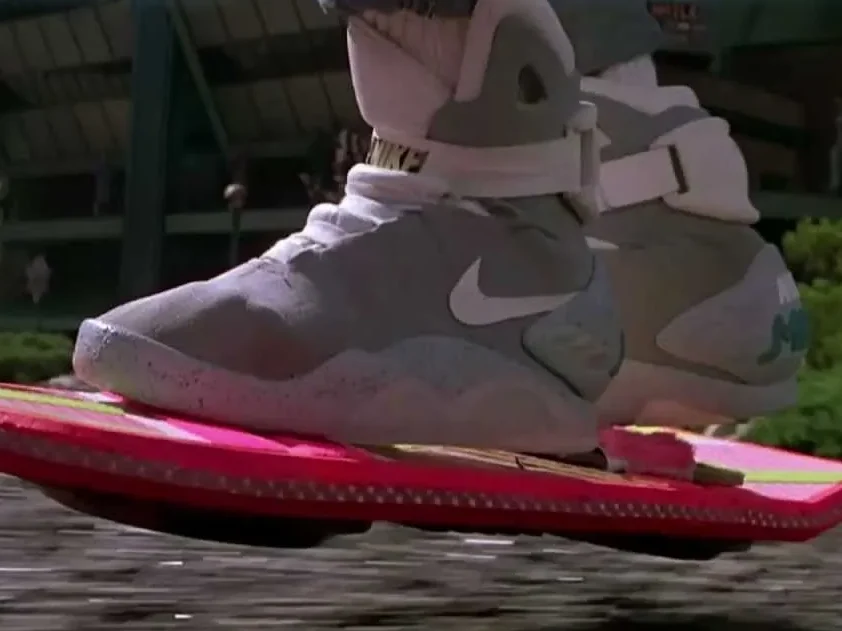
Marty McFly’s self-lacing Nike MAGs became one of the most famous pieces of fictional footwear in cinema history. While the shoes didn’t exist in 1989, Nike finally released a working version in 2011, causing them to sell out instantly. A second limited release in 2016 featured self-lacing technology, fueling even more hype and skyrocketing resale prices.
FedEx – Cast Away (2000)

While Cast Away wasn’t a direct commercial for FedEx, its presence throughout the film served as a masterclass in organic product placement. The film’s survival story, in which Tom Hanks’ character clings to packages washed ashore from a FedEx plane crash, reinforced the brand’s global presence. While the company didn’t pay for the placement, FedEx saw a notable rise in brand recognition and international shipping requests following the film’s release.
Red Stripe – The Firm (1993)

The Jamaican beer brand Red Stripe received an unexpected windfall after being featured in The Firm, starring Tom Cruise. The beer was prominently shown in a bar scene, leading to a staggering 50% increase in sales in the United States. The placement was so successful that Red Stripe became a go-to import beer for many Americans in the ‘90s.
Chevrolet Camaro – Transformers (2007)

Before Transformers, the Chevrolet Camaro was a muscle car with a niche following, largely with gearheads excited about the resurgence of the model. But after being featured as Bumblebee in the blockbuster film, demand for the vehicle exploded. The film’s portrayal of the Camaro as a sleek, futuristic machine led to an immediate increase in sales, particularly among younger buyers. Chevrolet even released a Transformers-branded edition of the car due to its massive success.
The Power of Product Placement in Sales
These examples showcase just how influential product placement can be when executed correctly. When a product is integrated naturally into a film’s narrative—especially one with mass appeal—it can create an emotional connection with audiences and drive real-world sales.
Whether through nostalgia, aspiration, or sheer visibility, the right placement can transform a brand’s trajectory overnight. As more brands recognize the value of entertainment-based marketing, expect to see even more strategic placements shaping consumer behavior in the future.
Leave a Reply